


When Someone You Care For Is Living With Dementia
it can feel like the ways you once connected are slowly changing.
Conversations may feel harder. Activities that once felt simple may now feel overwhelming. You’re noticing the person you’re caring for withdrawing, showing increasing frustration, or losing confidence in themselves.
Many families and friends begin searching for ways to help the person they’re caring for stay engaged, express themselves, and experience moments of joy and connection again.
Many families first begin exploring creative therapies when communication starts to feel harder.
Learn more about how creativity supports emotional expression in this article on art therapy for dementia.
Art therapy for dementia offers a different path
Through guided creative expression, individuals living with dementia can access emotions, memories, and a sense of identity that often remain present even when language becomes more difficult.
Art therapy creates space for expression, dignity, and meaningful connection, without pressure and without needing artistic ability.
“Even though dementia changes how someone communicates or remembers,
the person you love is still there.”
Curious If Art Therapy Could Help Your Loved One?
You’re welcome to reach out for a conversation about what you’re noticing.

Art Therapy Can Help
Express emotions that may be difficult to put into words
Experience moments of calm and focus
Engage their senses and creativity
Reconnect with a sense of identity and personal meaning
Experience accomplishment and confidence
Reduce frustration or agitation


What Makes Art Therapy Different From Art Activities?
Many programs offer arts and crafts
While these activities can be enjoyable, the goal of art therapy is different. The art therapy approach is clinical and therapeutic.
As a Board Certified Art Therapist and Licensed Mental Health Counselor in Boston, I use the creative process intentionally.
Each session is thoughtfully adapted based on:
cognitive abilities, emotional needs, sensory preferences, physical comfort, and each person’s history and interests.
Art therapy is widely recognized as a supportive, non-pharmacological approach for individuals living with dementia, helping to foster engagement, emotional expression, and meaningful connection. Similar approaches can also support individuals living with other neurological conditions, including art therapy for Parkinson’s disease.
“The goal is always the experience of creating, expressing, and being seen.”

In Home Art Therapy for Dementia
For many individuals living in the moderate to later stage of a dementia disorder, the home environment is where they feel most comfortable and secure.
Some individuals begin exploring creative support earlier in their diagnosis journey. If you or your loved one is in the earlier stages of cognitive change, you can learn more about art therapy for mild cognitive impairment here.
I offer in-home art therapy sessions throughout communities North of Boston because home is where we all feel most comfortable.
Working in the home allows sessions to unfold at a natural pace and reduces the stress that can come with traveling to appointments or navigating unfamiliar environments.
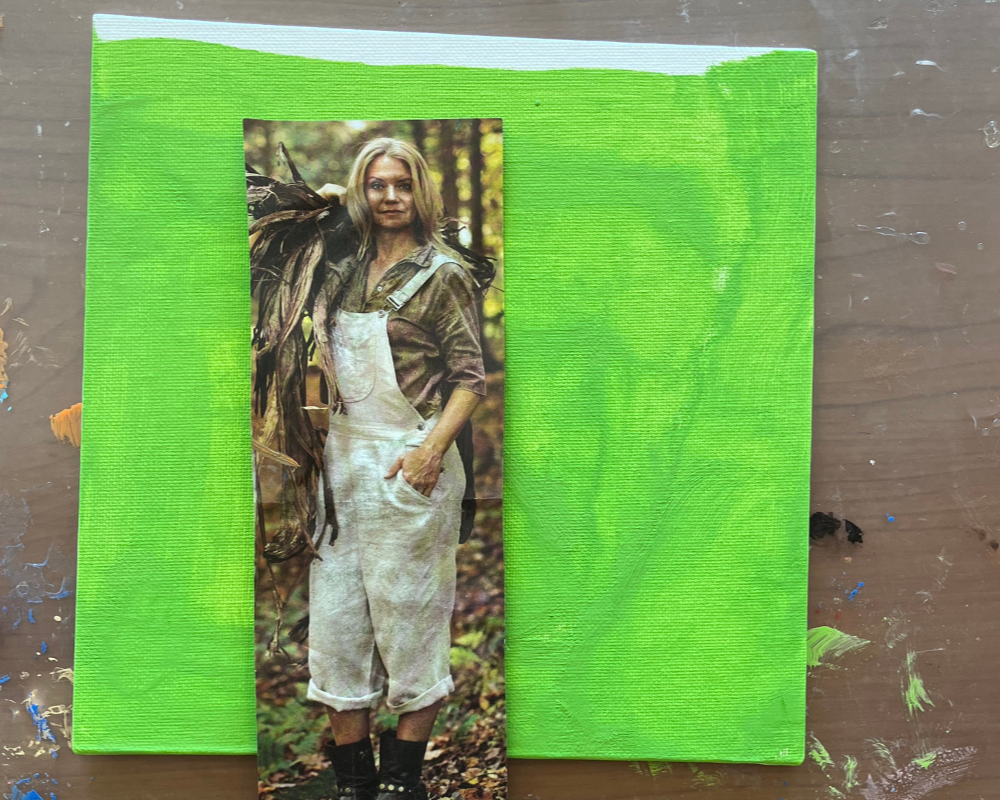
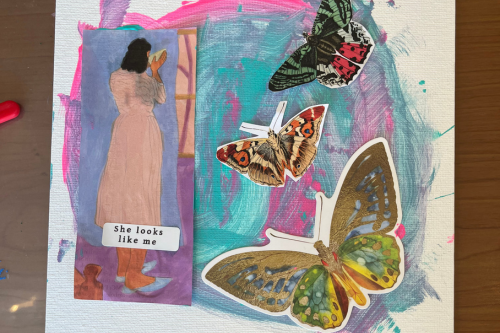
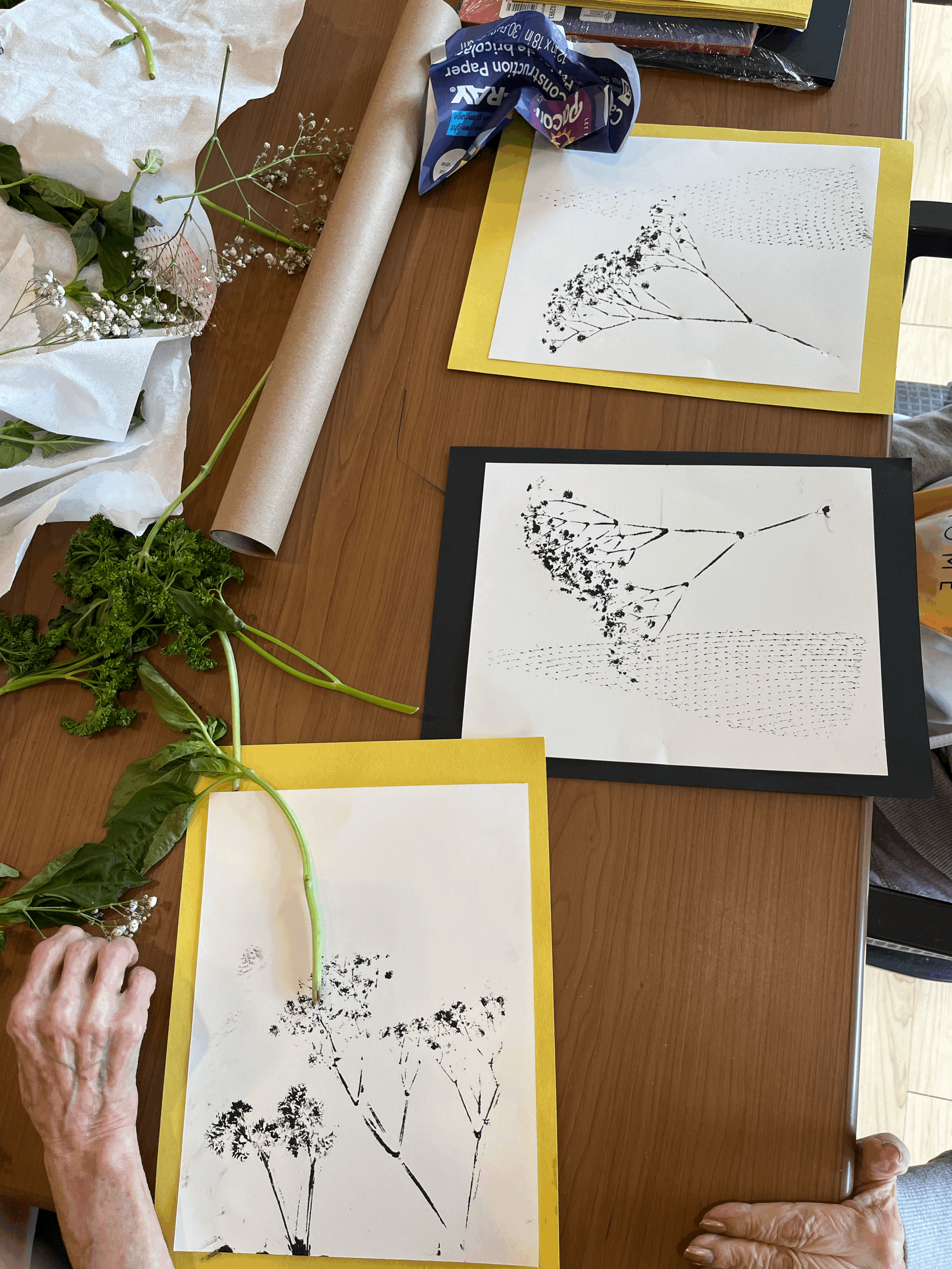
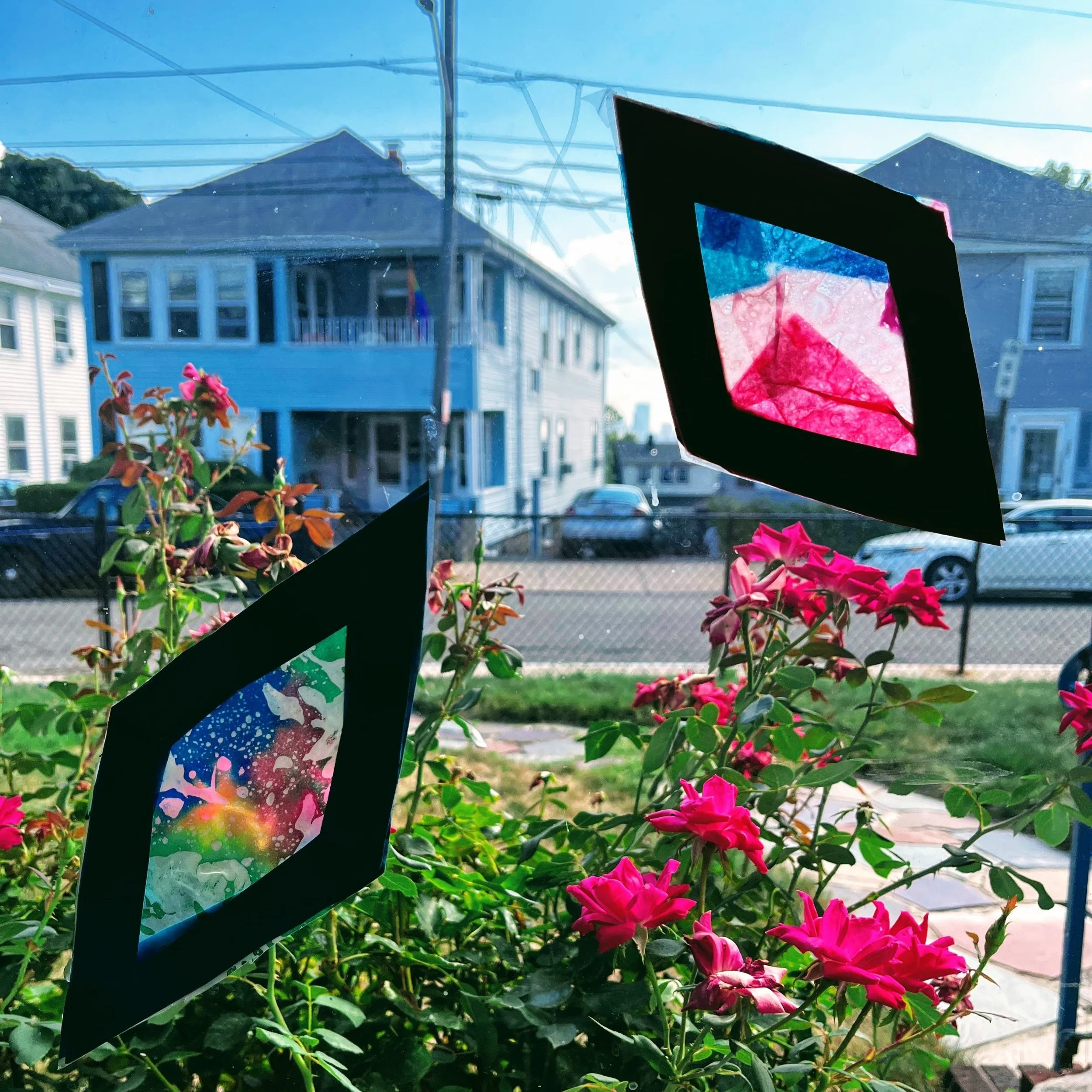
Sessions may include painting, drawing, collage, or other sensory-based materials depending on what feels most accessible and engaging to each individual client.
No prior art experience is needed. Everything is adapted to meet your Loved One exactly where they are in their dementia journey.
What an Art Therapy Session Looks Like
Every art therapy session is adapted to the individual client
Taking into account their comfort level, and where they are in the moment. No two sessions are exactly the same.
Sessions can range from 45 to 90 minutes and unfold at a relaxed pace.
Beginning the Session
When a session begins, time is taken to settle in and connect. This may involve conversation, looking at artwork from previous sessions, setting up the space together, or diving into unfinished work.
Some individuals remember and repeat the same flow each session, which allows for them to lead the session. Other clients prefer to ease into the experience slowly, getting comfortable with materials and then seeking guidance and structure from their art therapist.
Most importantly, we flow at each individual client’s pace.
The Creative Process
The art-making process might include painting, drawing, collage, or other materials that feel approachable and engaging. The focus is never on making “good art.” Instead, the goal is to create an experience that encourages curiosity, expression, and enjoyment.
Sometimes people talk while they create.
Sometimes the artwork itself becomes the conversation.
Reflection
At the end of the session, there may be a few moments spent looking at what was created and reflecting on the experience.
Families often notice a sense of calm, focus, or pride that carries forward into the rest of the day.
Could Art Therapy Be Right For You?
Many families reach out when they begin noticing subtle shifts in their loved one’s engagement, mood, or confidence.
These changes can happen gradually, and it can be hard to know what kind of support might help.
Art therapy for dementia may be worth exploring
iS the person you’re caring for:
Withdrawing from activities they once enjoyed
Becoming frustrated when trying to communicate
Spending more time disengaged during the day
Feeling restless or emotionally overwhelmed
Struggling to find meaningful activities
Losing confidence since cognitive changes began
For many people living with dementia, individualized creative arts therapies can provide a meaningful outlet when other activities begin to feel difficult. You can explore examples in this guide to painting with Alzheimer’s.
Wondering if Art Therapy Might Help?
Every person living with dementia is different
If you're curious whether art therapy could be supportive for the person you’re caring for, I’m happy to talk through what you’re noticing and explore whether this approach feels like a good fit.
You can reach me at 617-982-9664 or through the contact form.

For Caregivers
If you are caring for someone living in the moderate to later stages of a dementia disorder, you are likely carrying a great deal both emotionally and practically.
Many caregivers begin searching for ways to help the person they’re caring for:
Stay engaged
Feel more like themselves
Experience moments of calm and enjoyment.

For Care Professionals
If you work with older adults living with dementia, art therapy offers a therapeutic, evidence-informed approach that goes beyond typical arts and crafts.
Clients Can:
Access emotions and memories safely
Engage creatively and regain a sense of identity
Reduce agitation and increase focus
Participate in individualized sessions tailored to abilities and needs
Art therapy can offer meaningful moments while also providing reassurance that someone understands both the clinical realities of a dementia-related diagnosis and the emotional experience of living with it.
Frequently Asked Questions:
-
Not at all. Art therapy focuses on the creative process rather than artistic skill.
-
Yes. Art therapy can support individuals living with Alzheimer’s disease and other forms of dementia
-
Art therapy can be meaningful across stages and is adapted to each person's abilities and comfort level.
-
Serving Communities North of Boston: Arlington, Medford, Malden, Melrose, Winchester, Cambridge, Somerville, Belmont, Watertown, Everett, Chelsea, Revere, Saugus, Wakefield
Don’t see your community? Please Ask! Clients are seen in proximity to one another, I may have availability to see someone outside of these communities based on their location.
I also have limited virtual sessions for Families Navigating their New Normal with a Neurodegenerative Disease.
Find More Joy on Your Journey
Art Therapy for Dementia
Arlington (02479), Medford (02155), Malden (02148), Melrose (02176), Winchester (01890), Cambridge (02138), Somerville (02143), Belmont (02478), Watertown (02472), Everett (02149), Chelsea (02150), Revere (02151), Saugus (01906), Wakefield (01880)
